What Makes a Great Hair Serum?
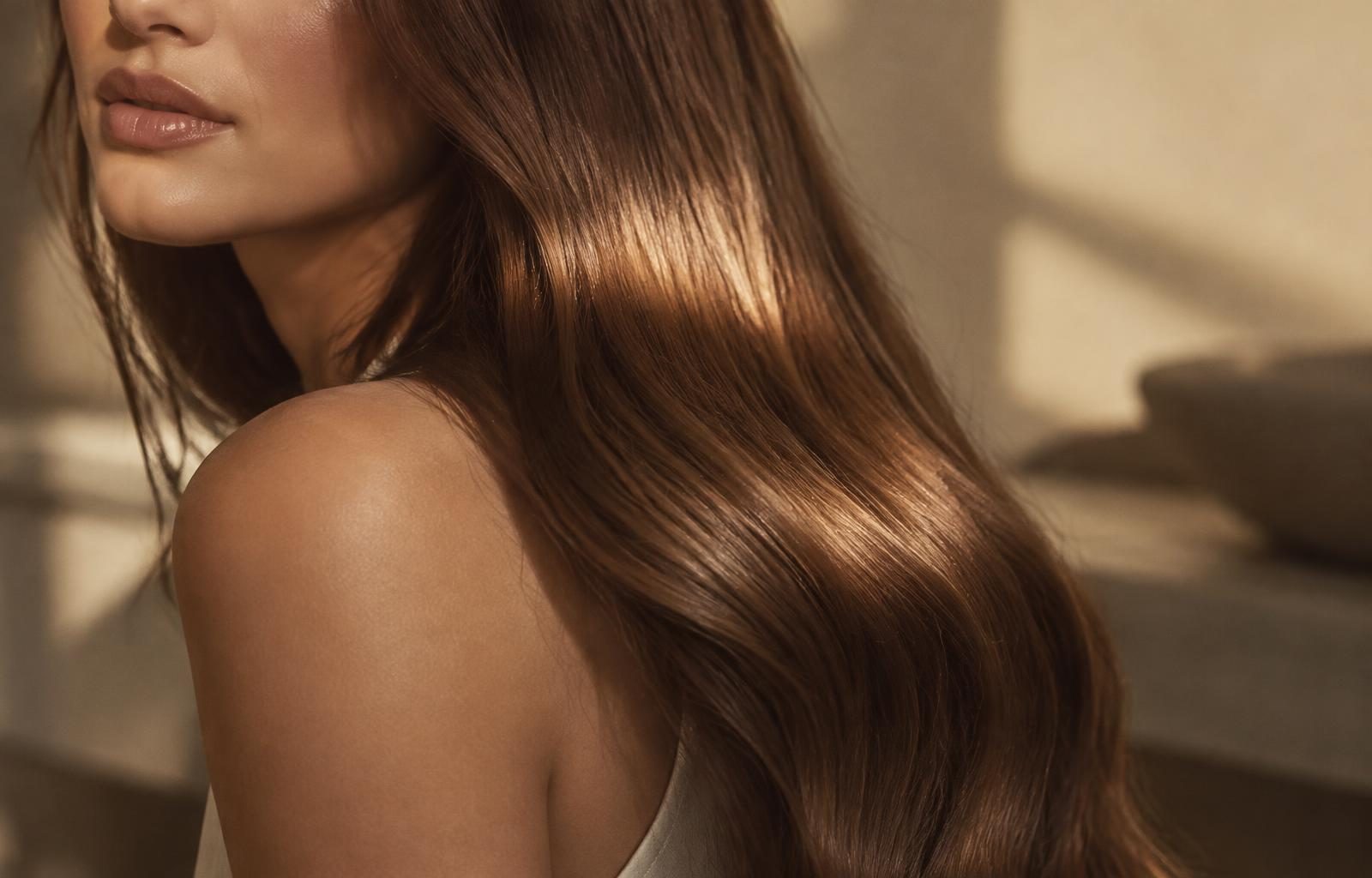
Few products are judged as quickly as a hair serum. Within seconds of application, it either disappears into the hair and leaves the lengths looking finished, or it sits on the surface and announces itself. There is very little middle ground.
So what makes a good hair serum? The answer is less about any single promise on a label and more about balance: how a product performs, how it feels, how it looks in daylight, and how it behaves several hours later.
What a hair serum is designed to do
A hair serum is a finishing product. It is applied in small amounts, usually to the mid-lengths and ends, to refine the surface of the hair once the main work of cleansing, conditioning and styling has been done.
Its purpose is presentation and control. A well-made serum helps lengths lie together, softens the look of frizz and flyaways, adds a measure of shine and makes hair easier to manage. It is not a repair treatment and it does not change the structure of the hair. It shapes how the hair is seen and how it feels to the touch.
Serum, oil and other finishing products
The vocabulary of finishing can be confusing, because the categories overlap. In general terms:
- Hair oils tend to be richer, often designed to be absorbed into dry lengths or used as a pre-wash or overnight step.
- Serums tend to be lighter in feel, designed for a fine, even film across the surface of the hair, with an emphasis on smoothness and shine.
- Creams and balms add more hold and weight, and are often used to define texture or shape.
- Sprays offer a mist-light finish, usually for the very last moment of styling.
None of these is better than the others. They answer different needs, and a professional will often reach for more than one in a single appointment. What matters is choosing the right weight for the hair in front of you.
Why texture and formulation matter
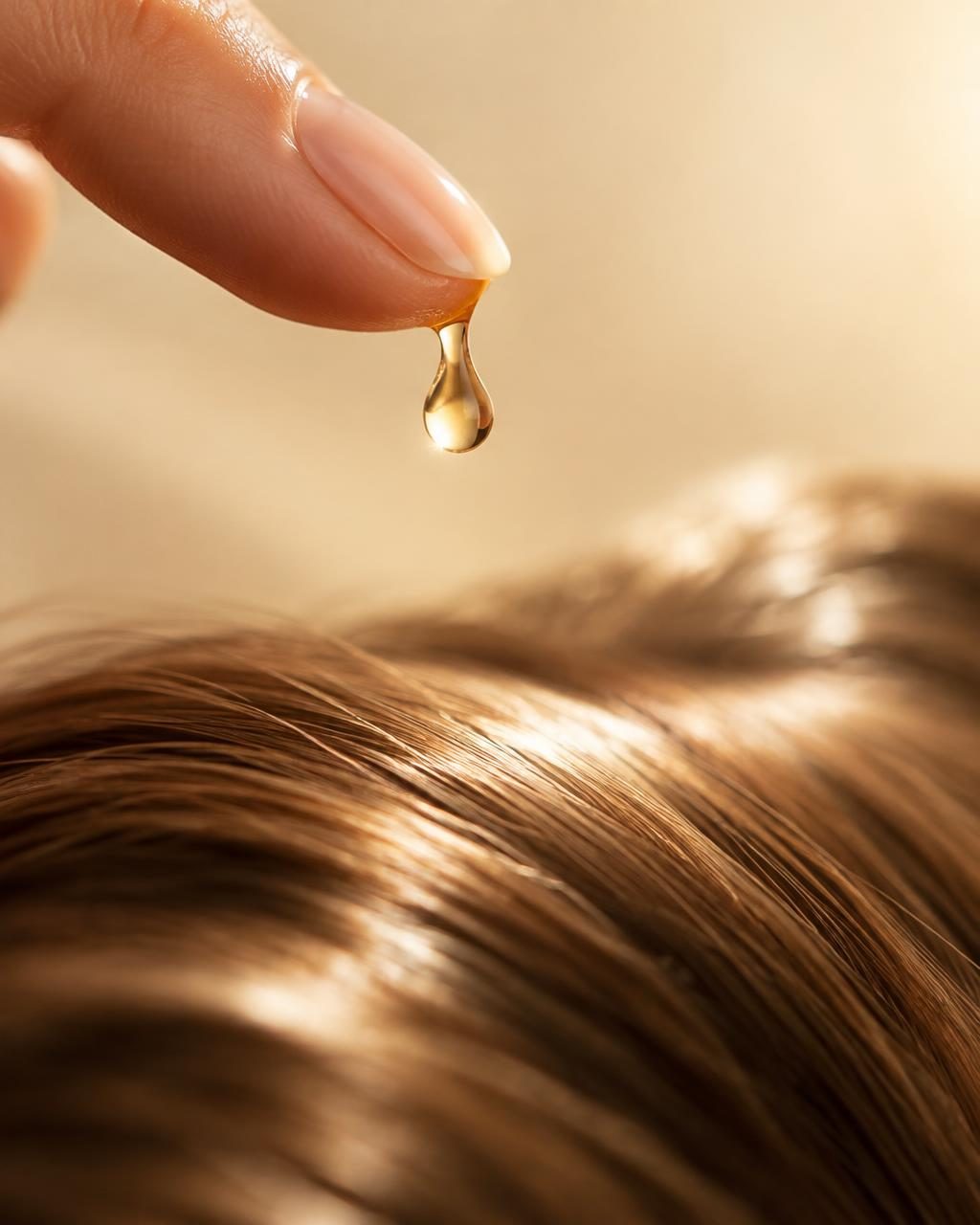
Texture is where most finishing products succeed or fail. A good serum spreads easily between the palms, distributes evenly through the lengths and then seems to vanish. You should feel smoother hair, not product.
Formulation determines that behaviour. The way a product is built affects how readily it spreads, how quickly it settles, how much light it reflects and whether it leaves a residue. Two serums can look similar in the bottle and behave very differently in the hair.
Lightweight application, not residue
The clearest sign of a well-balanced serum is that it is easy to use sparingly. A very small amount should be enough to change the surface of the hair. If a product needs to be applied generously before it does anything, it is likely to tip into heaviness on finer hair.
Greasy residue, flatness at the roots and strands that clump together are usually signs of too much product, the wrong weight for the hair type, or both.
Smoothness, shine, frizz control and manageability
These four qualities are what most people are really asking for when they reach for a serum. They are connected. When the surface of the hair lies evenly, light reflects more coherently, so smoothness and shine tend to arrive together, a relationship we explore in Shine, light and surface.
Frizz control and manageability follow from the same idea: lengths that sit together, ends that settle rather than lift, and hair that can be brushed, moved and restyled without resistance.
How a great serum should feel
Run your fingers through the hair a few minutes after application. A great finishing product leaves the lengths soft and supple, never stiff or tacky. The hair should move freely and fall back into place.
Look again in natural light. Shine should look as though it belongs to the hair, not like a coating sitting on top of it. And check again at the end of the day: a good finish holds its composure without needing to be topped up constantly.
A great finish is felt as much as it is seen.
Fragrance and the sensory experience
Fragrance is often treated as an afterthought in haircare, yet it is one of the first things a client notices and one of the last things they remember. A finishing product is applied close to the face and carried through the day, so its scent becomes part of the result.
The best fragrances in haircare are present without being insistent. They should soften as the day goes on rather than compete with perfume or overwhelm a room.
What professionals look for
Behind the chair, a finishing product has to work across many heads of hair in a single day. Professionals tend to judge it by a few practical questions:
- Does a small amount go a long way?
- Can it be used on damp hair before drying as well as on dry hair at the end?
- Does it control frizz without weighing the style down?
- Does it leave the hair soft, with movement intact?
- Is it pleasant to use, for the stylist and the client?
These are the same questions we asked when creating the Finishing Serum. It is made for wet or dry hair, it helps control frizz and improves manageability, and it carries a warm fragrance of sweet almond, creamy vanilla and soft toffee.
Why the finishing stage changes everything
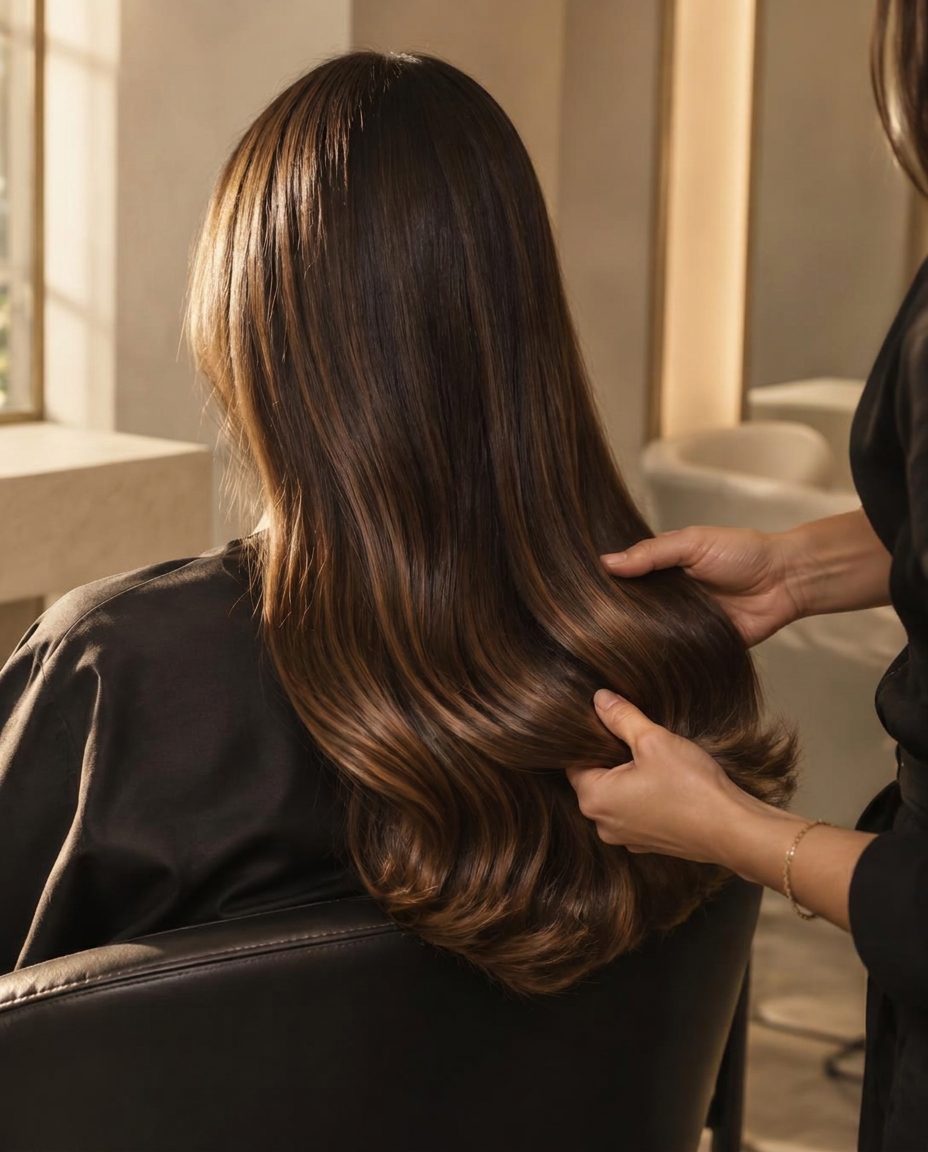
A cut can be precise and a colour beautifully placed, yet the hair can still look unfinished if the surface is rough or the ends are restless. The finishing stage is where the work is resolved, a moment we explore in The finishing moment.
This is why ERLÚME exists: to treat the final step not as an afterthought but as a craft in its own right, and to make that professional finish a quietly luxurious experience.
A matter of balance
So what makes a good hair serum? Not one dramatic quality, but several held in balance. Performance you can see. A texture that disappears. A finish that moves. A sensory experience that makes the ritual worth repeating.
If you are deciding which kind of finish suits your hair, our guide to choosing the right hair serum for your hair type sets out the practical decisions in order.