What Makes Hair Look Luminous? Understanding Shine, Light and Surface
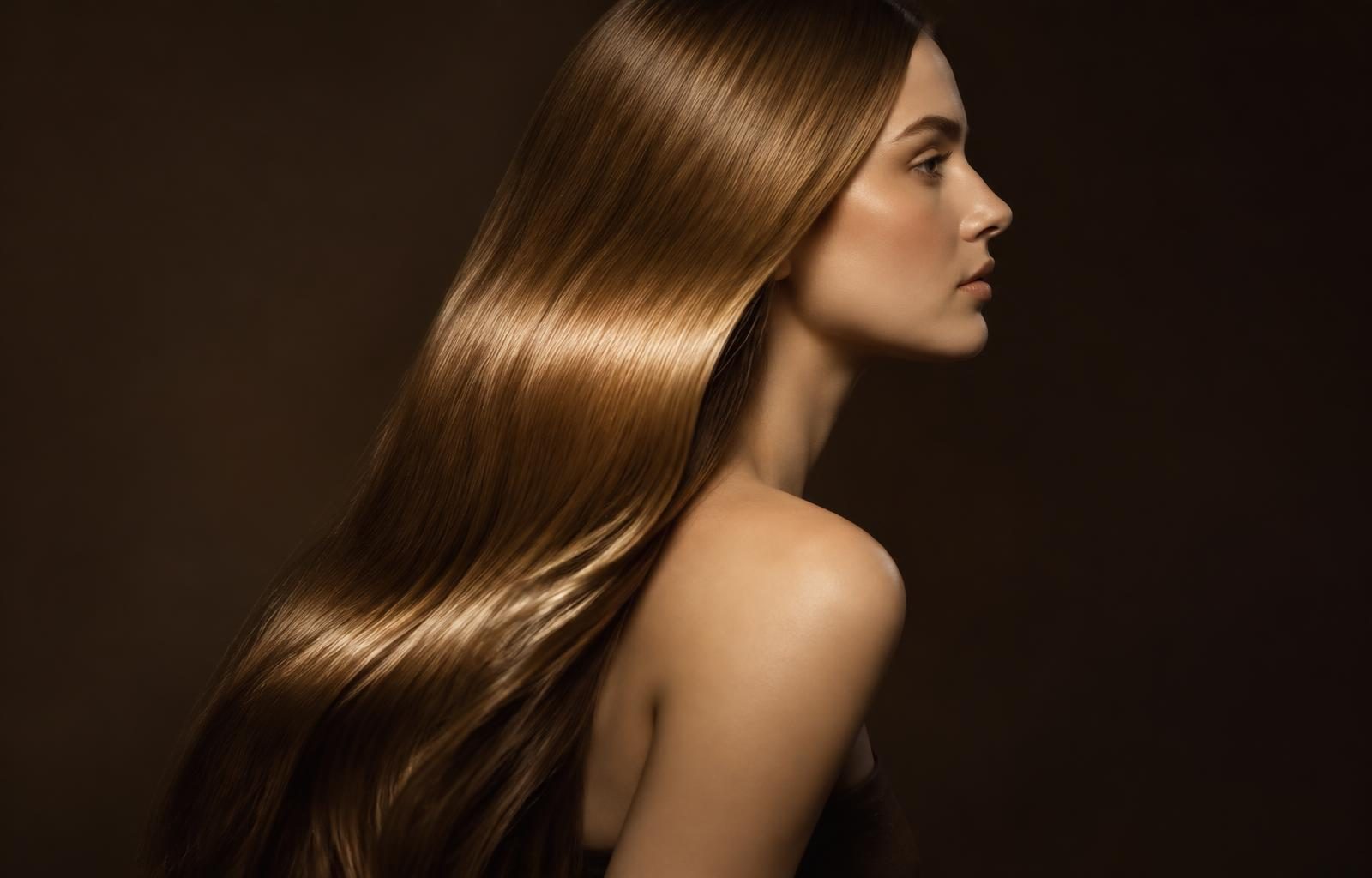
We often describe finished hair in terms of light. It glows, it gleams, it catches the sun. Shine is one of the first things the eye registers, often before colour or cut.
Yet shine is not something hair has on its own. It is something that happens when light meets hair.
Light and surface
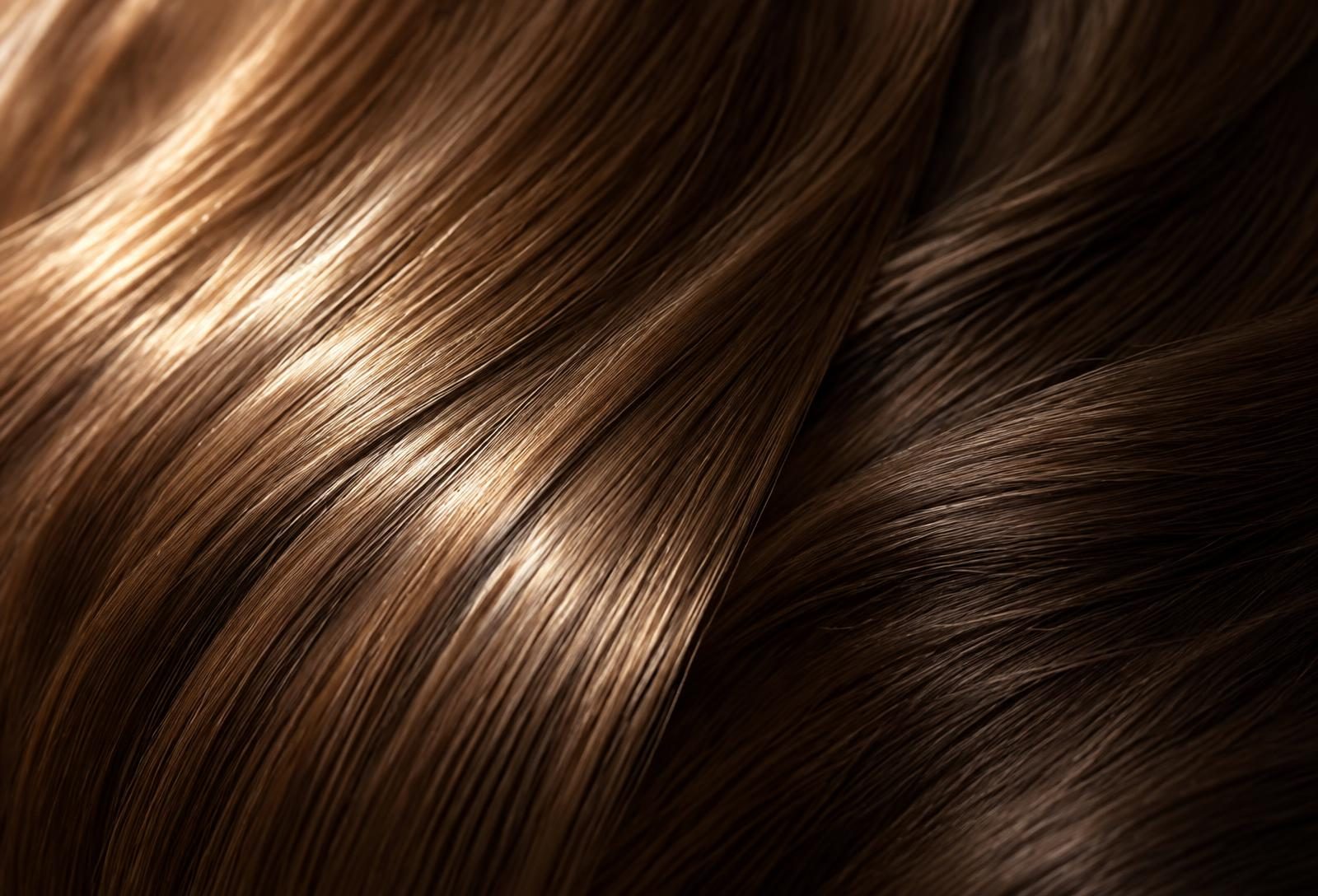
When light falls on a strand, part of it is reflected from the outer surface. If that surface lies evenly, and neighbouring strands lie in a similar direction, the reflections gather together and the eye reads them as a band of brightness.
When the surface is uneven, or strands cross in many directions, light is scattered in different directions instead. The hair may be perfectly healthy, yet appear softer, flatter and less luminous.
Why smoothness and shine arrive together
This is why smoothness and shine are so often spoken of in the same breath. The two are closely connected: strands lying together, a surface that is even, and ends that are settled rather than lifted can all contribute to a more coherent reflection of light.
Much of this is shaped in the salon, by the way hair is cut, dried and brushed, and by the care taken as it is finished.
Luminous, not lacquered
There is a difference between hair that shines and hair that looks coated. True luminosity tends to move. It shifts as the head turns and the lengths swing, and it never feels heavy to the touch.
For us, this is the measure of a good finish: light that seems to belong to the hair itself, and hair that remains free to move.